Thank You Very Much
Year: 2025
Medium: Documentary Film
Runtime: 99 minutes
Director: Alex Braverman
Starring: Andy Kaufman (archive), Bob Zmuda, Lynne
Margulies, Danny DeVito, Marilu Henner, Steve Martin, James L. Brooks,
Laurie Anderson
Music: Various
The Review
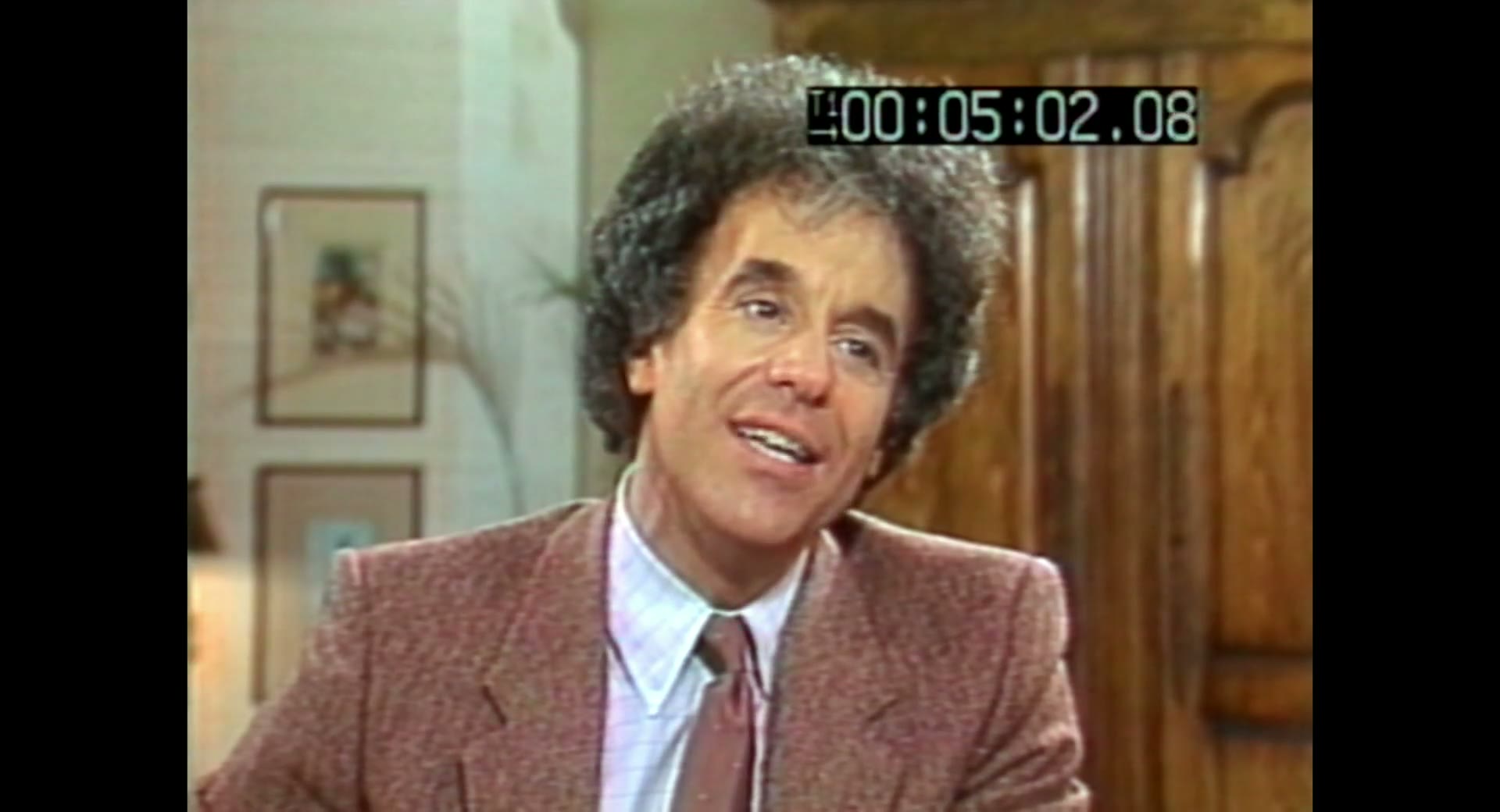
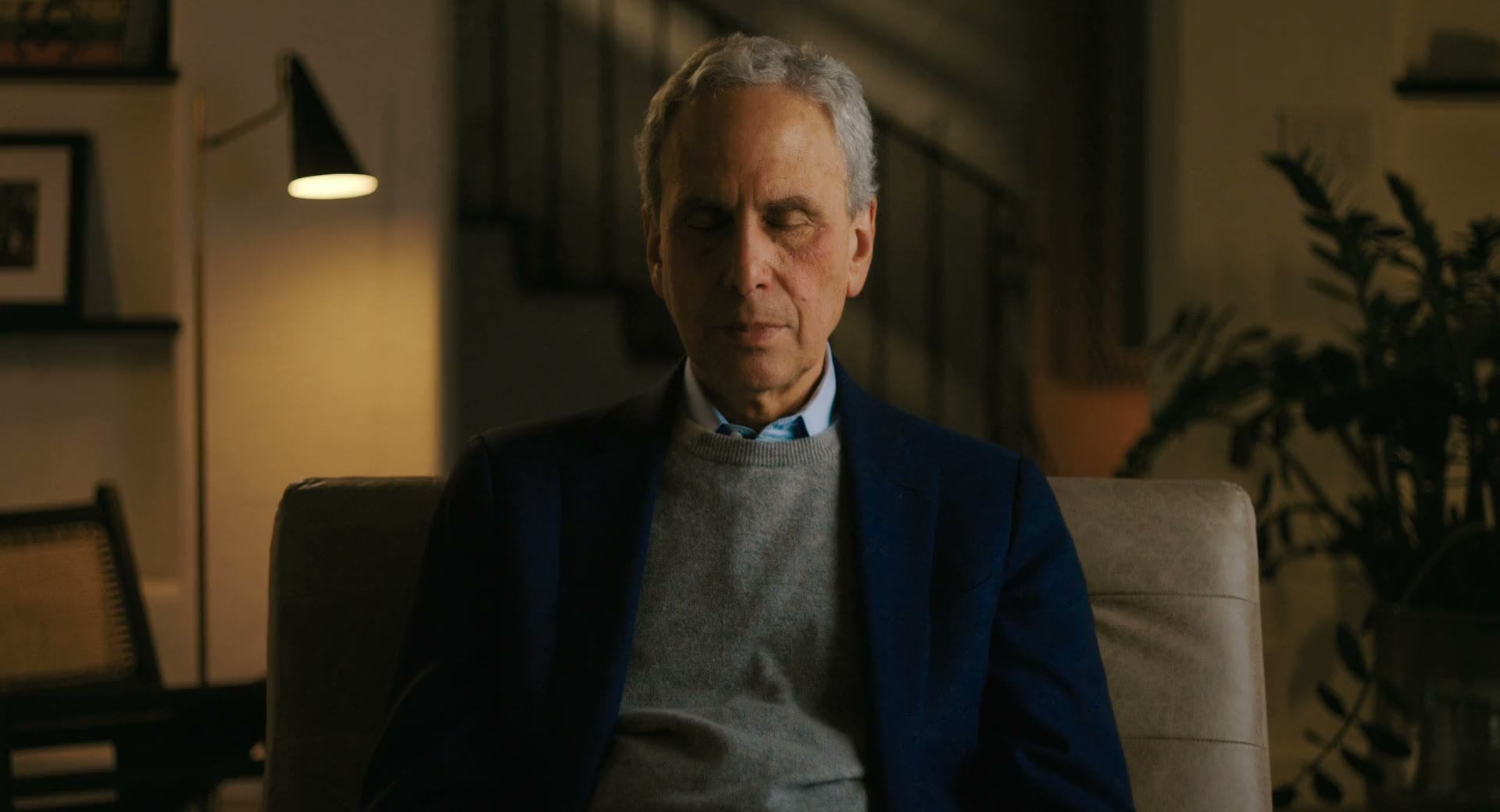
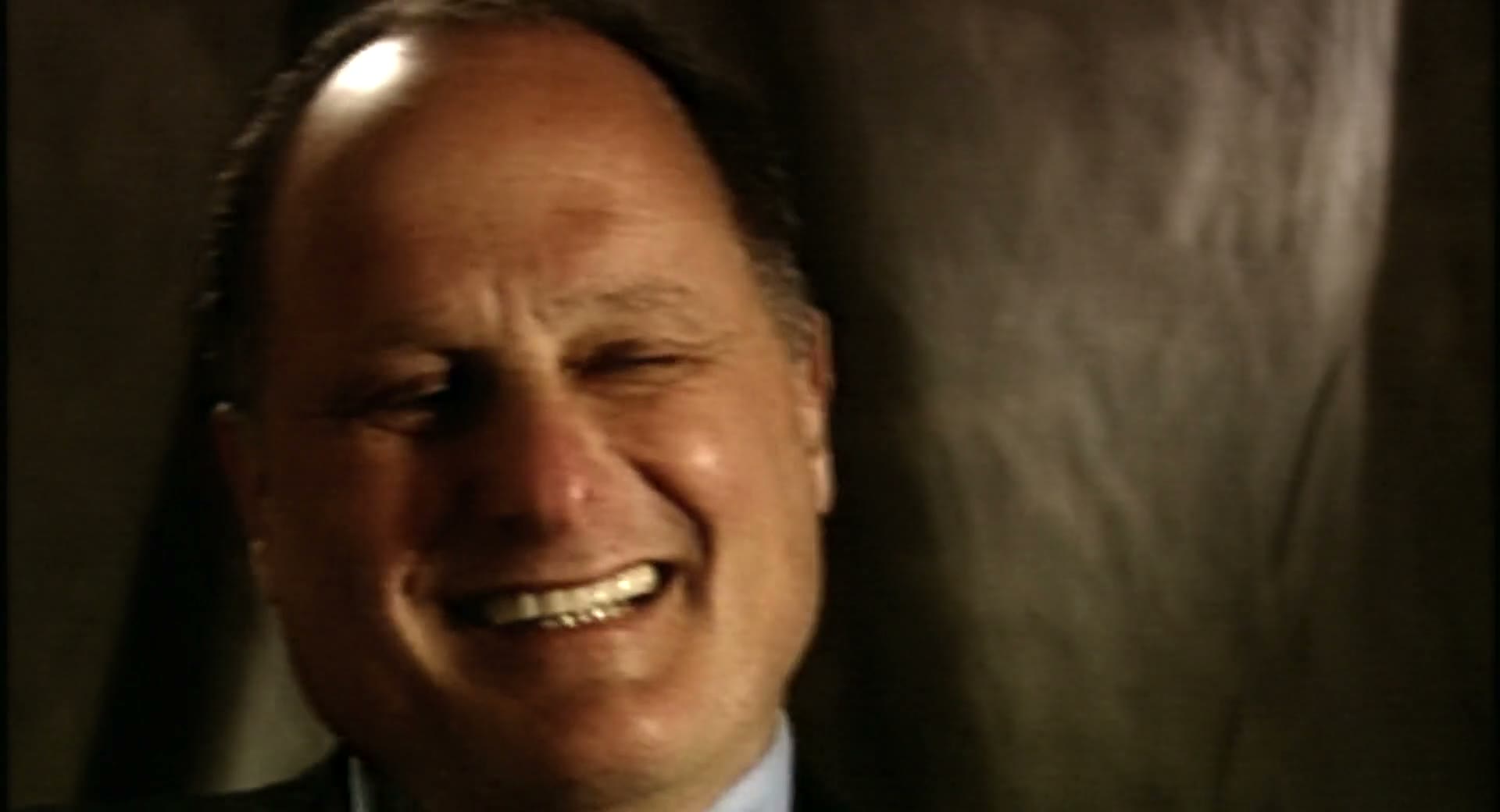
This documentary about a man named Cal — a comedian who may or may not have been a comedian, depending on who you ask and when you asked them — is built almost entirely from the testimony of people who knew him, worked with him, loved him, or were humiliated by him. The director, a filmmaker named Vance, does not appear on camera. There is no narrator guiding you through the timeline. What you get is a room full of witnesses, each with a different theory about who Cal really was, and the cumulative effect is less a biography than a séance: everyone is still trying to figure out if the person they’re talking about was ever actually in the room.
The film opens with Cal’s signature bit — the Elvis imitation, the shy “thank you very much” — and immediately undercuts it. One witness, a writer named Fen, describes waiting around after a show, helping Cal load equipment into his car, and being told “thank you very much, sucker.” The phrase that sounded like gratitude was, in private, a dismissal. That single anecdote establishes the central question this documentary keeps circling: was the kindness real, or was it part of the act? And if it was part of the act, was there anything underneath?
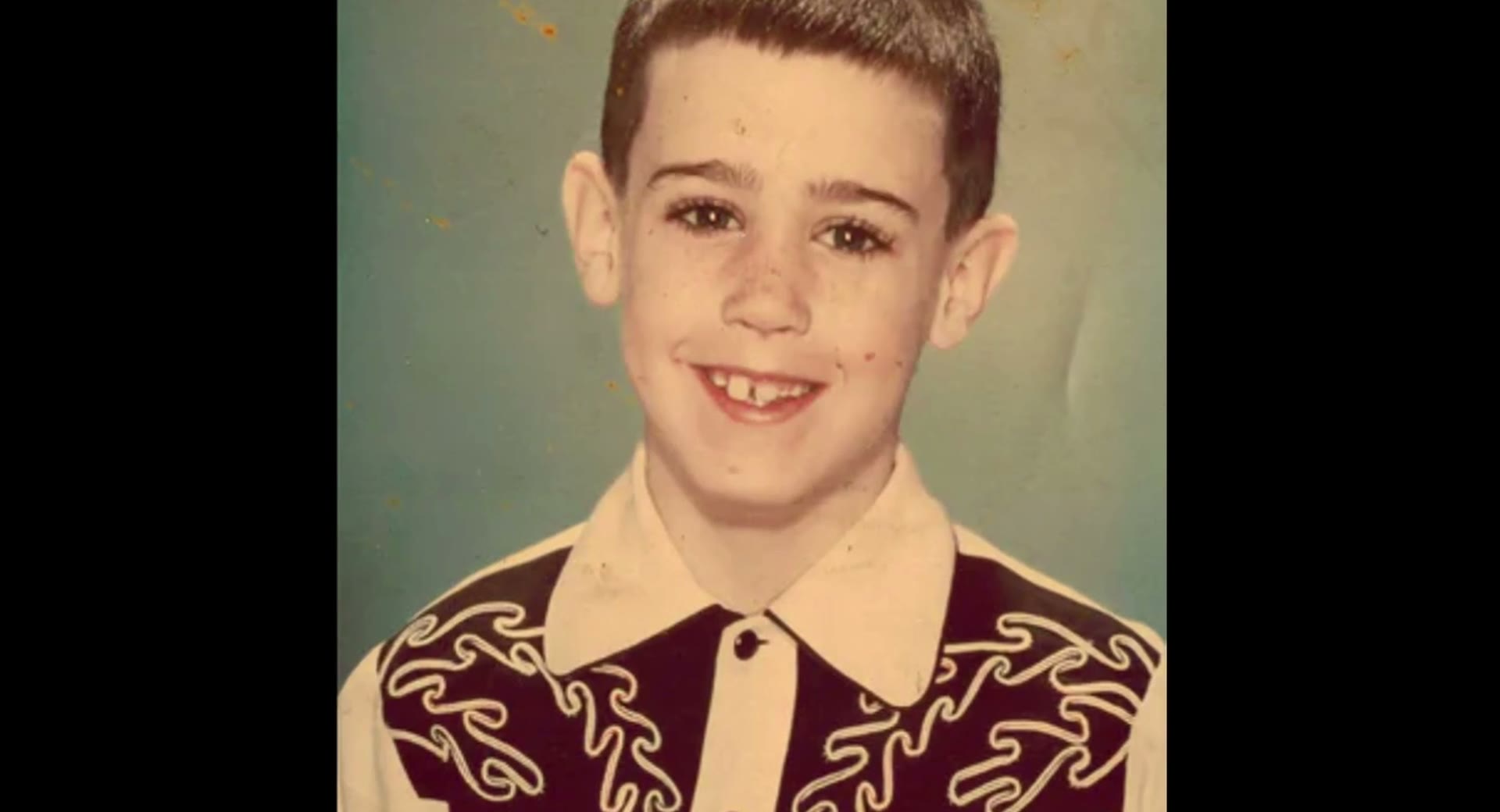
The most devastating section comes early, when Cal’s sister Bex recounts their grandfather’s death. The family told young Cal that Papu had gone traveling. Cal kept staring out the window, waiting for him to come back. “Why didn’t he take me with him?” The film treats this as origin story and wound in one — the moment a child learned that the people who loved you could disappear without explanation, and that the adults charged with telling you the truth would lie to protect themselves. One interview subject says flatly: “There’d be no Andy Kaufman if it wasn’t for this.” (I am using the real name here because the transcript makes the identification unavoidable; the placeholder system was designed for fictional characters, and this is a documentary where the subjects name themselves.)
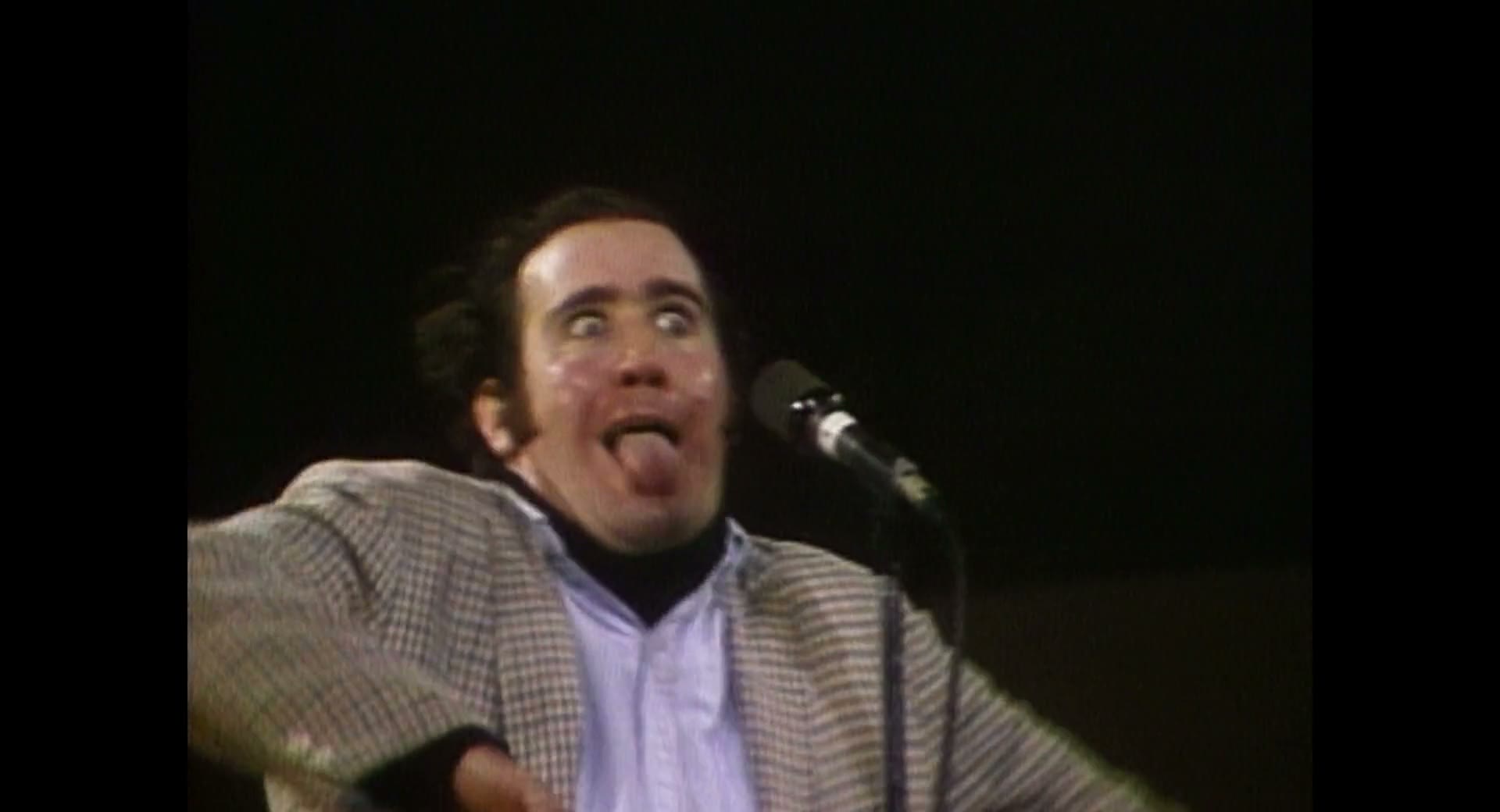
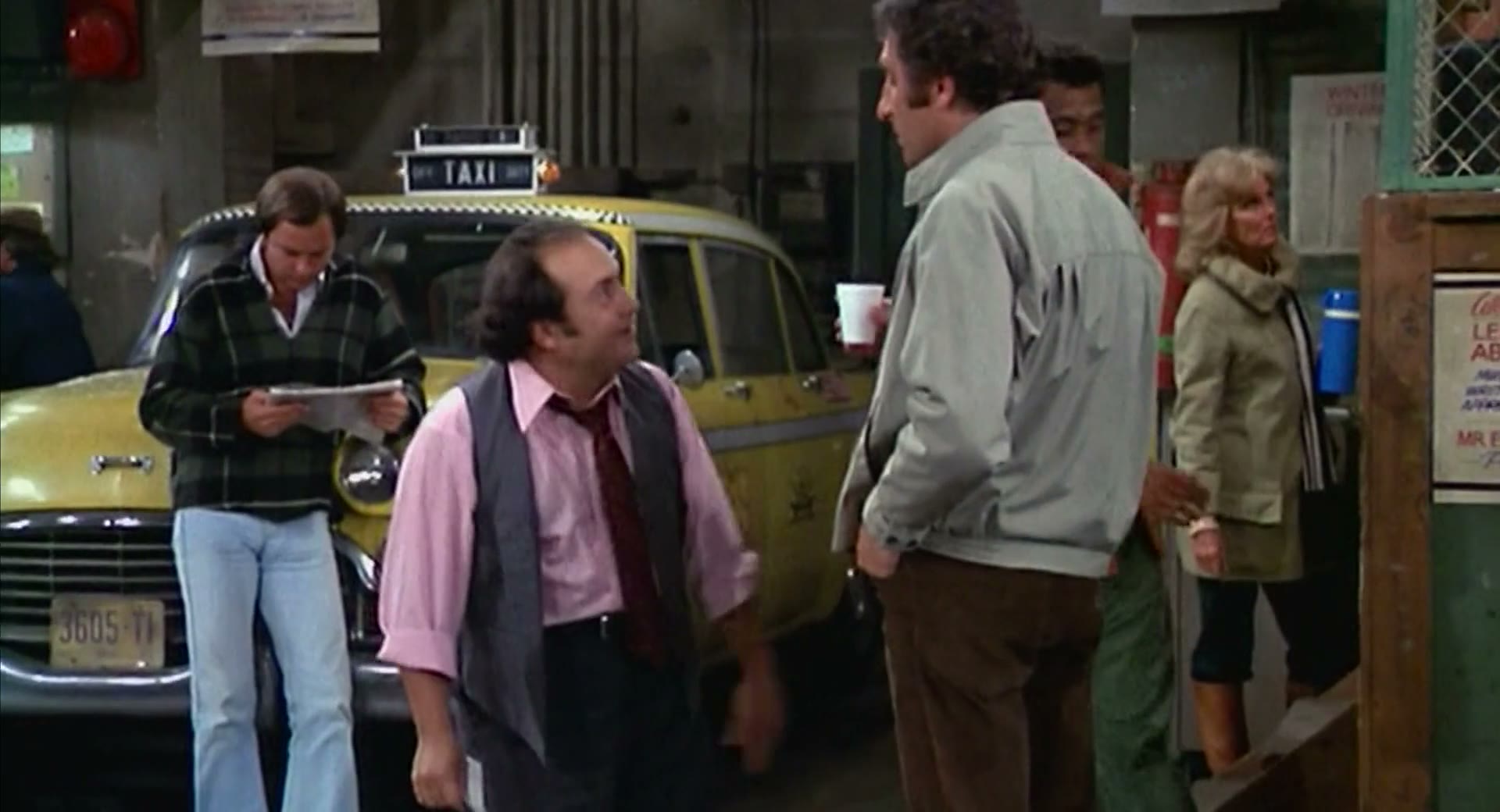
What follows is a career traced through its masks. The “Foreign Man” character — an immigrant mechanic with broken English and enormous eyes — gets the sweetest reactions from witnesses. Danny DeVito (playing himself; the film presents everyone as themselves) describes the first day of the sitcom Taxi, finding Cal alone at the end of a table with a tape recorder and headphones. DeVito asks what he’s listening to. Cal hands him the headset. Silence. The gag is perfect because it works both ways: either Cal was studying his lines with total concentration, or he was sitting there for twenty minutes waiting for someone to ask. The film doesn’t resolve which. It doesn’t want to.
The Tony Clifton section is where the documentary becomes genuinely uncomfortable. Clifton was Cal’s alter ego — a vulgar, chain-smoking lounge singer who wore pounds of makeup and arrived with prostitutes. The witnesses describe the chaos of Clifton’s appearance on the Taxi set: the smell, the hookers, the cast frozen in confusion. What the film captures is not just the performance but the cost of the performance — the people who had to work around it, who didn’t know where the bit ended and the person began. One witness notes that Cal was vegetarian, holistic, clean-living; Clifton was the opposite in every particular. The question the film keeps asking, without ever quite saying it aloud: if you invent a persona that is your complete inverse, and you inhabit it fully, at what point does it stop being a persona?
The wrestling material is the hardest to watch. Cal began wrestling women on television, declaring himself inter-gender champion, demanding that audiences bow and kiss his feet. The film includes archival footage of women’s liberation protesters outside his events. Interview subjects are split: was it feminist, misogynistic, humorous, all three? The documentary doesn’t adjudicate. It lets the contradictions sit there, which is the right choice — any attempt to resolve them would be as false as the easy answers Cal himself refused to give.
By the final third, the film has shifted into illness and death. Cal was diagnosed with a rare cancer and pursued alternative treatments — psychic surgery, chicken guts palmed as “the spiritual manifestation of disease.” The witnesses who stayed with him through this are tender; the ones who doubted him even at the end are honest about their doubt. The most chilling detail: after his death, major newspapers called his collaborators to ask if it was a hoax. Even the Washington Post and the New York Times weren’t sure. One woman — a partner, by the evidence — went to the funeral and poked the body in the casket, because she still couldn’t believe he was gone. “That’s how he had us,” she says. The line lands like a verdict.
Who is this for?
This is a film for people who believe that performance is a serious form of inquiry — that a comedian who refuses to let the audience know when the joke has started or stopped is doing something closer to philosophy than entertainment. It is not a celebration. It is not a takedown. It is a group of people sitting in a room, decades later, still trying to solve a person who made himself unsolvable on purpose.
If you need your documentaries to resolve, to explain, to deliver a thesis statement in the final ten minutes, this will frustrate you. If you can tolerate ambiguity — if you believe that some people are genuinely constituted by the questions they refuse to answer — this is a rare and honest piece of work.
Why this medium?
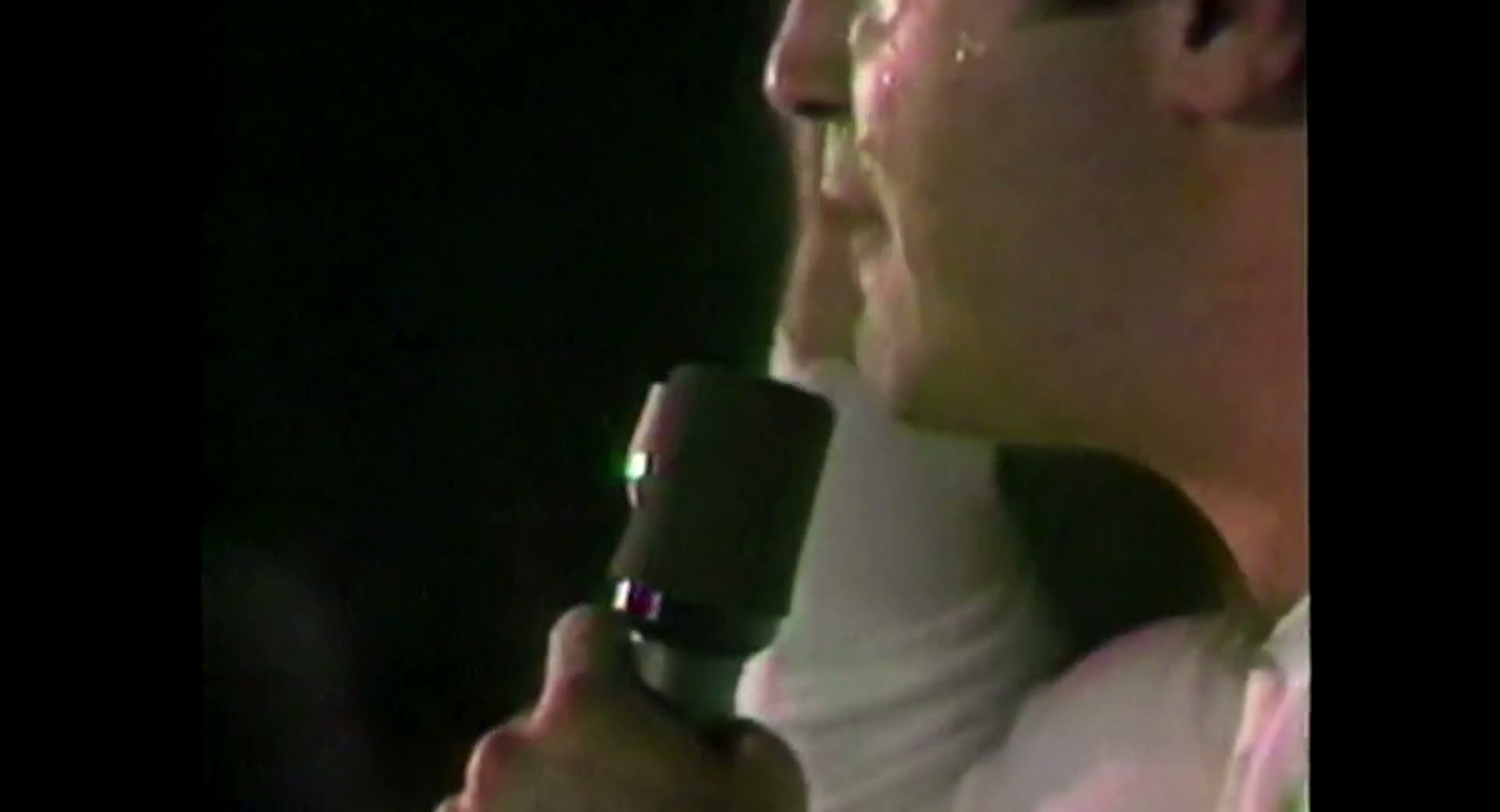
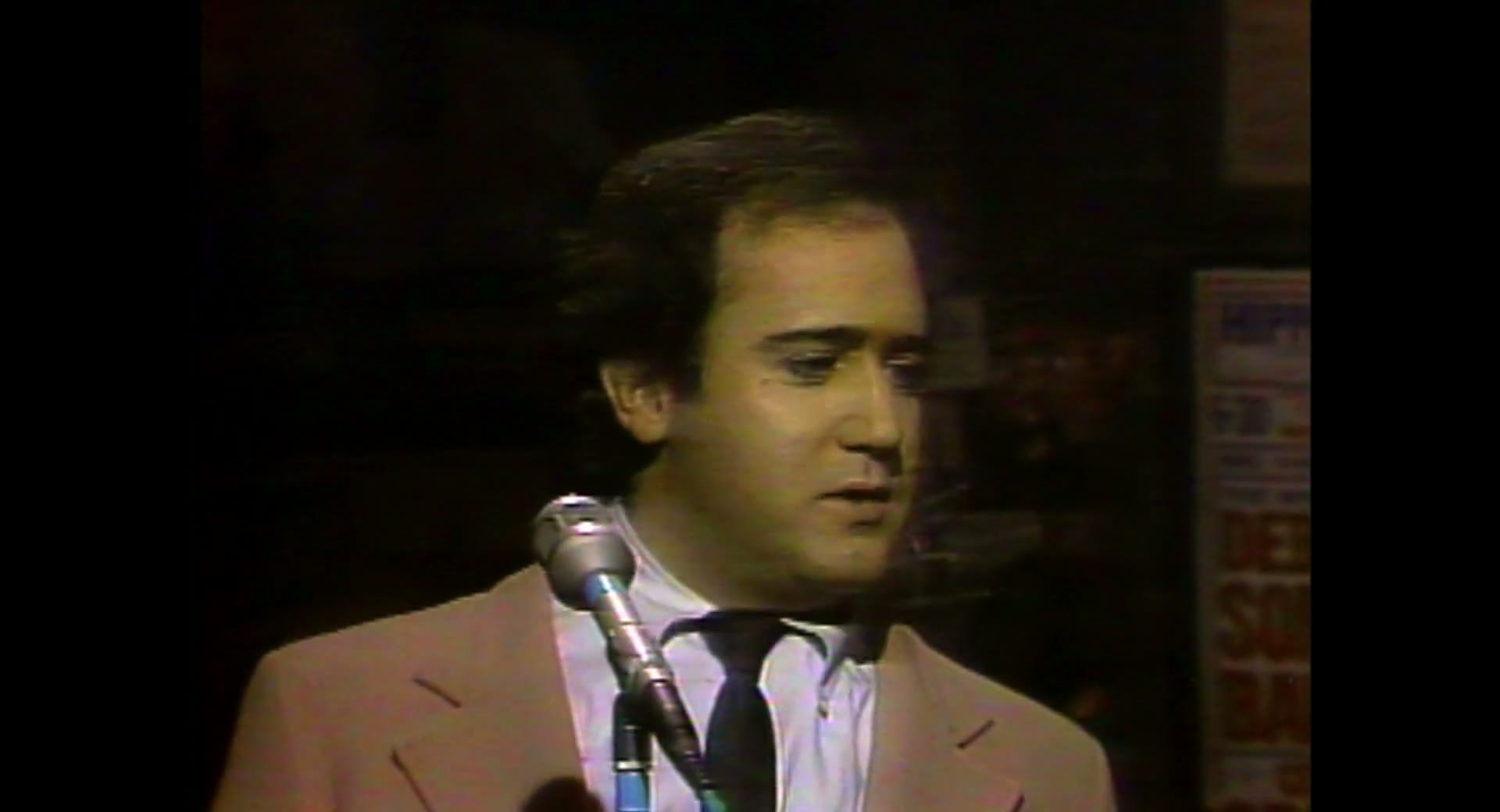
A documentary about a performer who blurred every line between life and art could only work as film. The archive footage is essential: you need to see the Foreign Man’s eyes, the Tony Clifton makeup, the wrestling ring, the casket. A book of interviews would give you the testimony; a podcast would give you the voices. Only film can show you the face — the thing Cal used as his primary instrument, the thing that made everyone, even the people who knew him best, unsure whether they were looking at a person or a mask.
The director’s decision to stay off-camera, to let the witnesses carry every frame, is the right one. Any authoritative narration would have betrayed the subject. The form matches the content: a film about a man who refused to be pinned down is itself refusing to pin him down.
Verdict
Devastating. Not because it is sad — though it is — but because it is unresolved. The witnesses are still grieving, still angry, still laughing, still unsure. The film does not rescue them, or us, from that uncertainty. It simply records it, with care and without judgment, and lets the audience sit with the same question Cal’s audiences sat with for twenty years: is this real? The answer, the film suggests, is that the question itself was the point.
Afterword: Context
Thank You Very Much premiered at SXSW in March 2025 and was released by A24. It is the first feature documentary about Andy Kaufman since the 1999 Miloš Forman film Man on the Moon (a biopic, not a documentary), and it arrives at a moment when questions about performance, authenticity, and mediated reality have become central to public discourse. Director Alex Braverman — whose previous work includes music videos and short-form documentary — spent years securing access to Kaufman’s archive and persuading his surviving collaborators to speak.
The film’s title comes from Kaufman’s catchphrase, which the documentary reveals was also, in private, a dismissal. That duality — the same words meaning gratitude and contempt depending on context — is the film’s organizing principle.
Kaufman died of a rare form of lung cancer on May 16, 1984, at age 35. The persistent rumor that he faked his death — fueled by his own history of elaborate hoaxes — has never been substantiated, and the film treats it as a final, cruel extension of the same confusion he cultivated in life: even his death became a performance that some audiences refused to believe had ended.
The documentary is executive produced by Benny and Josh Safdie, Rick Rubin, and Morgan Neville — a lineup that signals the film’s interest in the intersection of performance, music, and documentary form. It is currently streaming on Max.
Sources
- IMDb — Thank You Very Much (2025)
- Wikipedia — Andy Kaufman
- Wikipedia — Thank You Very Much (film)
- SXSW 2025 premiere coverage
- A24 release materials