Two Fossils, Two Methods, One Year of Correction in Hominin Deep Time
The hominin calendar keeps getting older. That has been true for a while — it is the general direction of paleoanthropology for the past two decades — but 2026 is shaping up to be the year when the direction stopped being a slow drift and turned into a small cluster...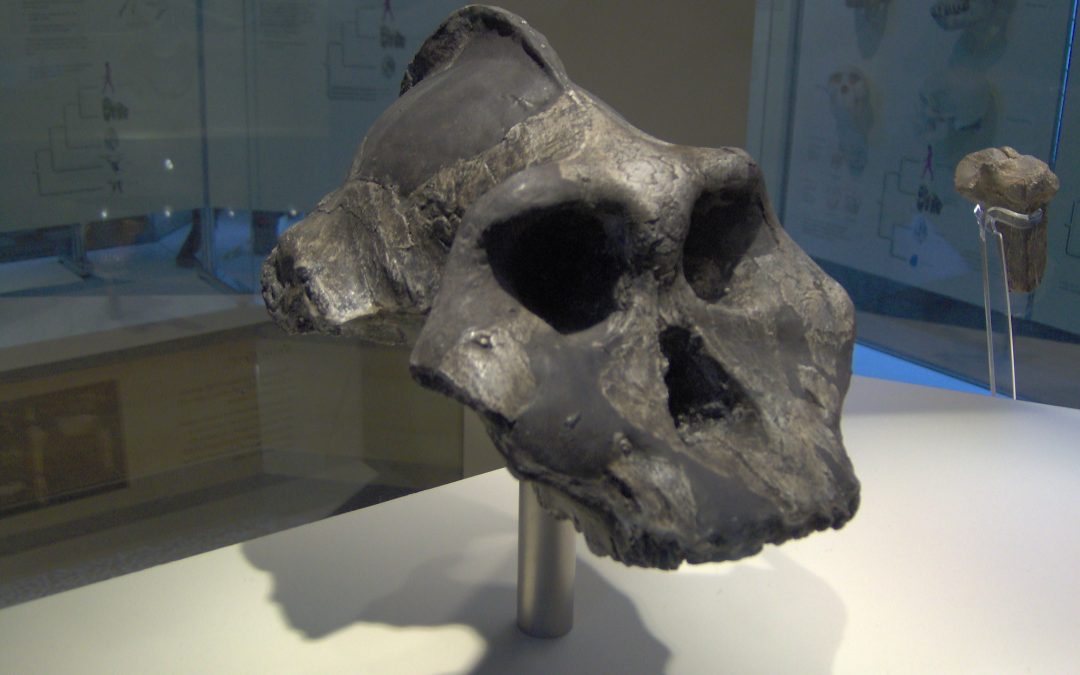
A Single Molar From the Afar Just Pushed Paranthropus Back 300,000 Years
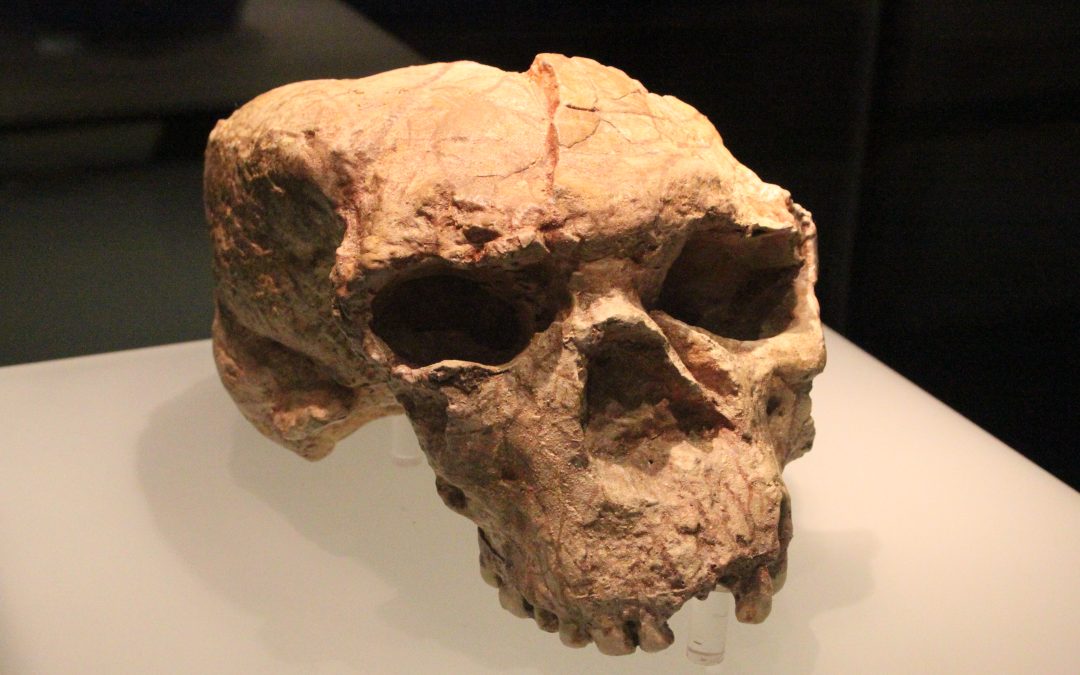
One lower molar, recovered from a hillside in the Afar region of Ethiopia in 2015 and described in print this May, has done what a 300,000-year stretch of hard sediment had refused to do: it has moved the Paranthropus lineage. The fossil — Ledi 1 (LDU-1), a single...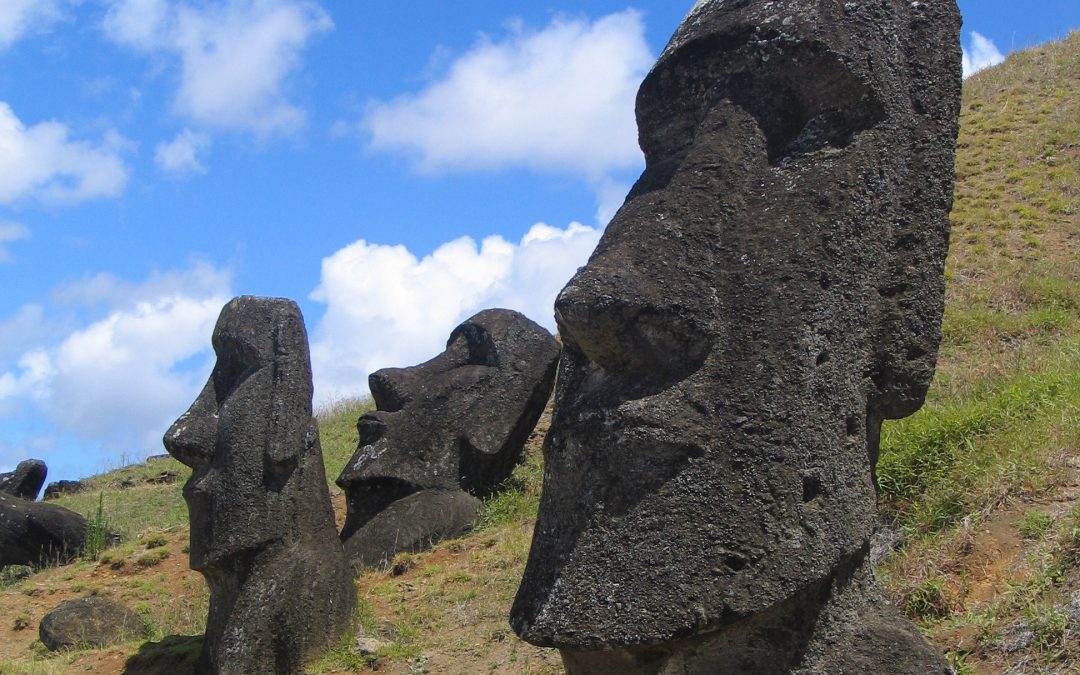
Malkovich, From Montreal, Takes the Volpi Cup
A 72-year-old American actor won Best Actor at the 83rd Venice Film Festival on 12 September for a black comedy set on Easter Island, written and directed by Martin McDonagh, and he accepted the prize by video from Montreal, where he was busy filming something else....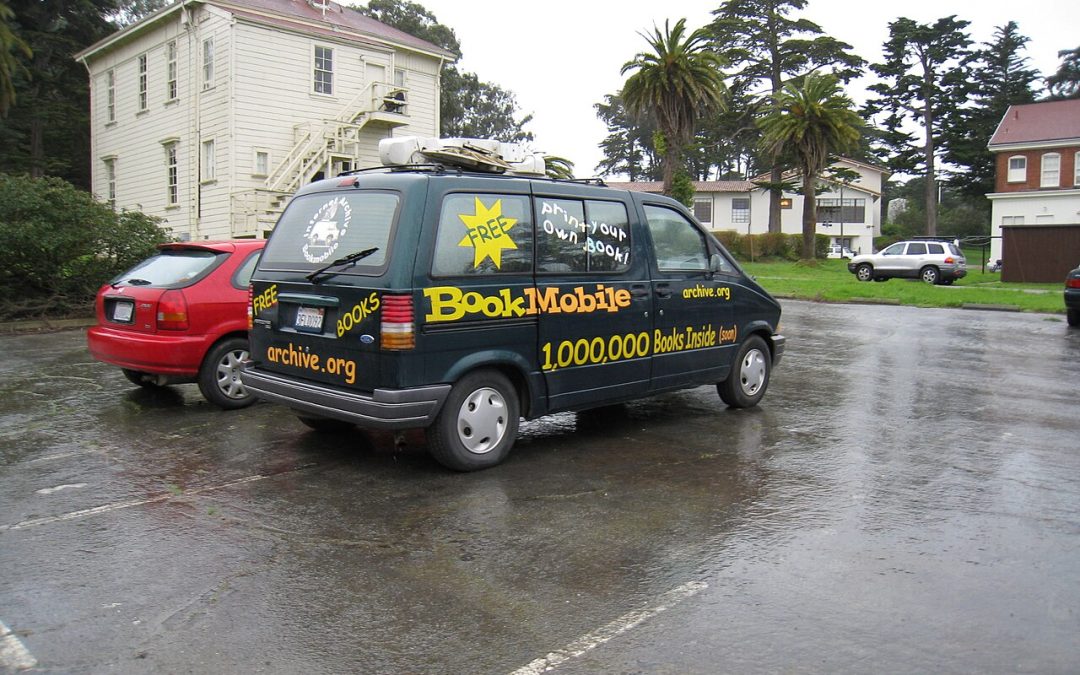
When the library owns the book but not the lending
A library buys a book. The book is, by first-sale doctrine, the library's to lend. The library then scans it, applies DRM, and lends one digital copy at a time, in lockstep with the physical copy it has removed from the shelf. Is the scan a copy the library is...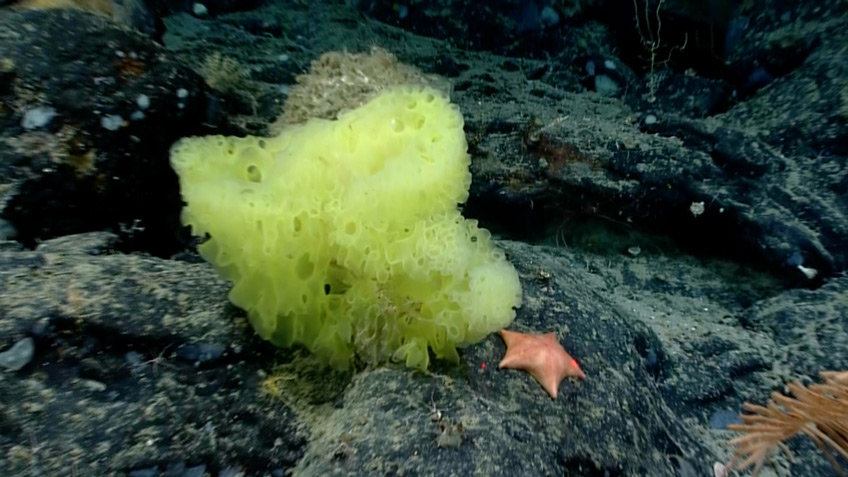
SpongeBob and Patrick were already down there
On 12 September 2026, Complex posted a thirty-second NOAA clip that did what clips from the deep usually fail to do: it registered instantly. A bright yellow sponge sat next to a pink sea star on the abyssal mud, two kilometres down on Retriever Seamount — a submarine...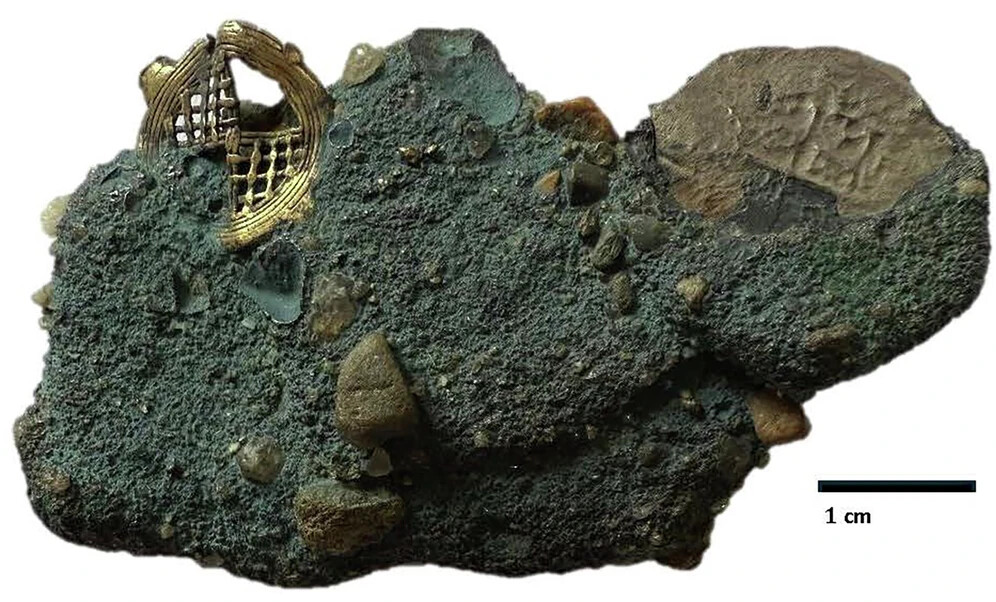
A pirate ship off Cape Cod just outed a 300-year-old insult to Akan metalworkers
The Whydah Gally was a slave ship that became a pirate ship that became a 1717 shipwreck off Cape Cod that became, in March 2026, the closest thing we will ever get to a witness in a 300-year-old argument about West African metalwork. Twenty-seven Akan gold pieces...
The black-hole star has company, and the side it took has variants
A month ago this column looked at MoM-BH\-1, the single object that a team led by Rohan Naidu (MIT / University of Hawaiʻi) had just named in the pages of Nature* on 12 August 2026, and noted that the field had not picked a side about what JWST's Little Red Dots...
The dark archive that catches the journal when the publisher goes dark
On 1 September 2026 a consortium called CHELSA — the Committee of Higher Education Libraries of South Africa — formally joined the CLOCKSS community, and a new CLOCKSS archival node came online in South Africa. CHELSA represents 26 South African academic and research...