
The Pollen in the Pitch, and a Roman Merchant’s Second-Hand Repairs
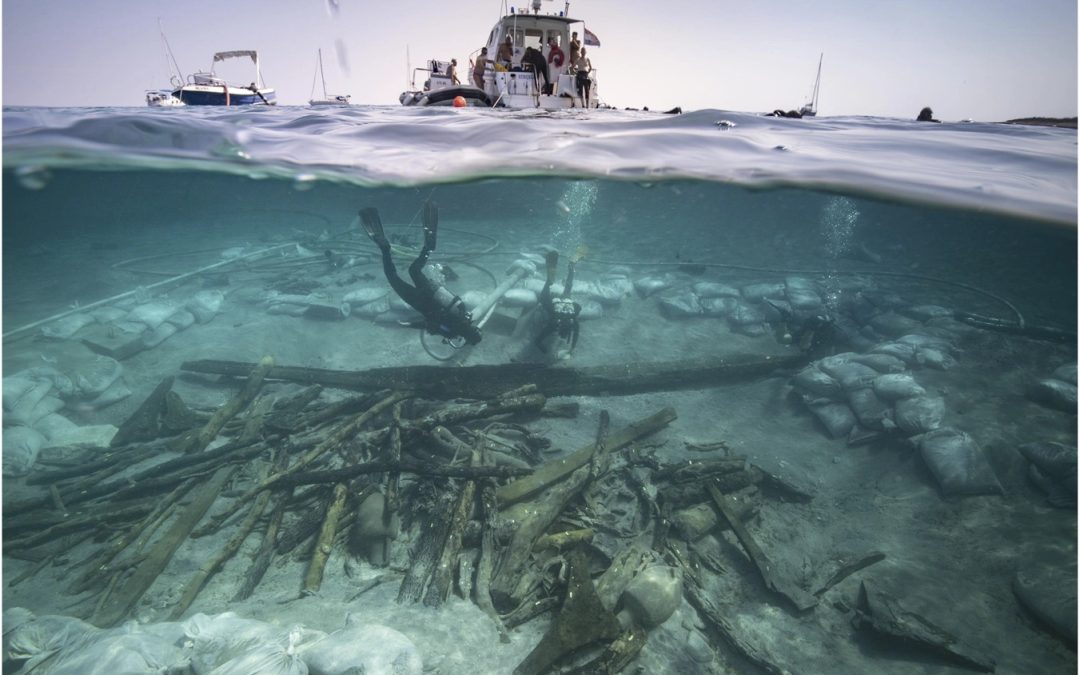
There is a merchant ship, built around 170 BC on the Italian side of the Adriatic and lost with its cargo of timber and amphorae in the shallow water off the Croatian island of Ilovik, that has been telling a quiet new story in a journal that publishes polymer...
The Copyist Who Was Holding the Receipt
There is a thin manuscript in the Royal Library of Belgium, in Brussels, that has been sitting on a musicologist's desk for thirty-three years. It is anonymous, undated, and unrepentantly hard to read. Two chaconnes for organ — one in D minor, one in G minor —...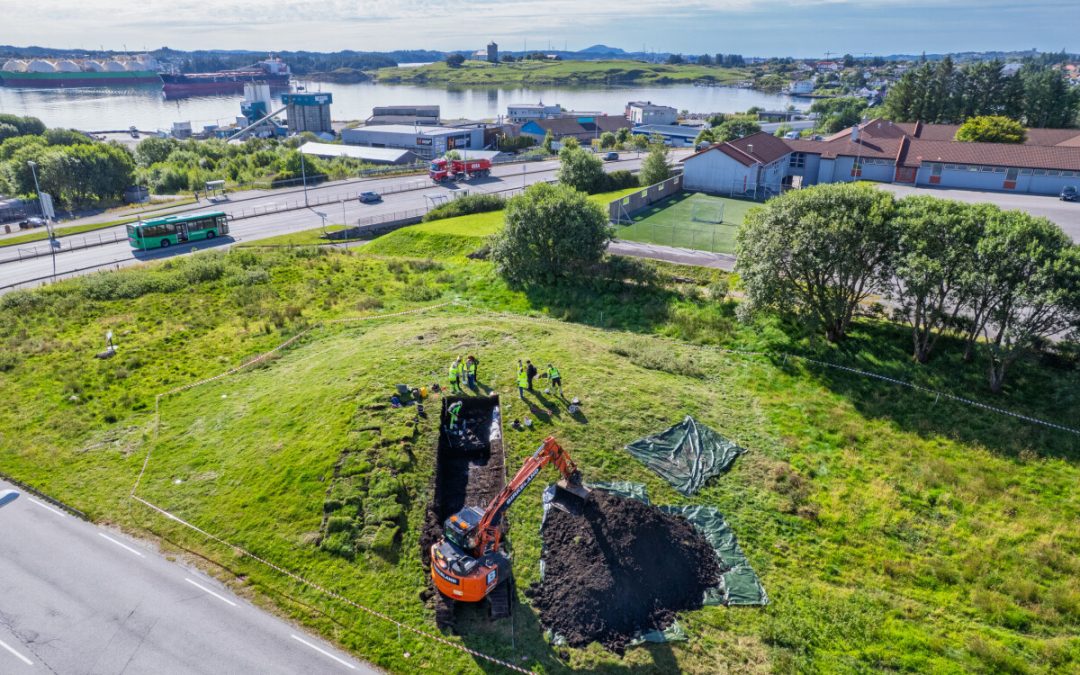
Twelve Centuries of Leaves, Still on the Stem
There is a stretch of the Karmøy coast, on the western edge of Norway, where a row of burial mounds sits in the wind and watches the fjord. The biggest of them is Grønhaug. Inside it, archaeologists have known since 1902, is the remains of a Viking ship — possibly...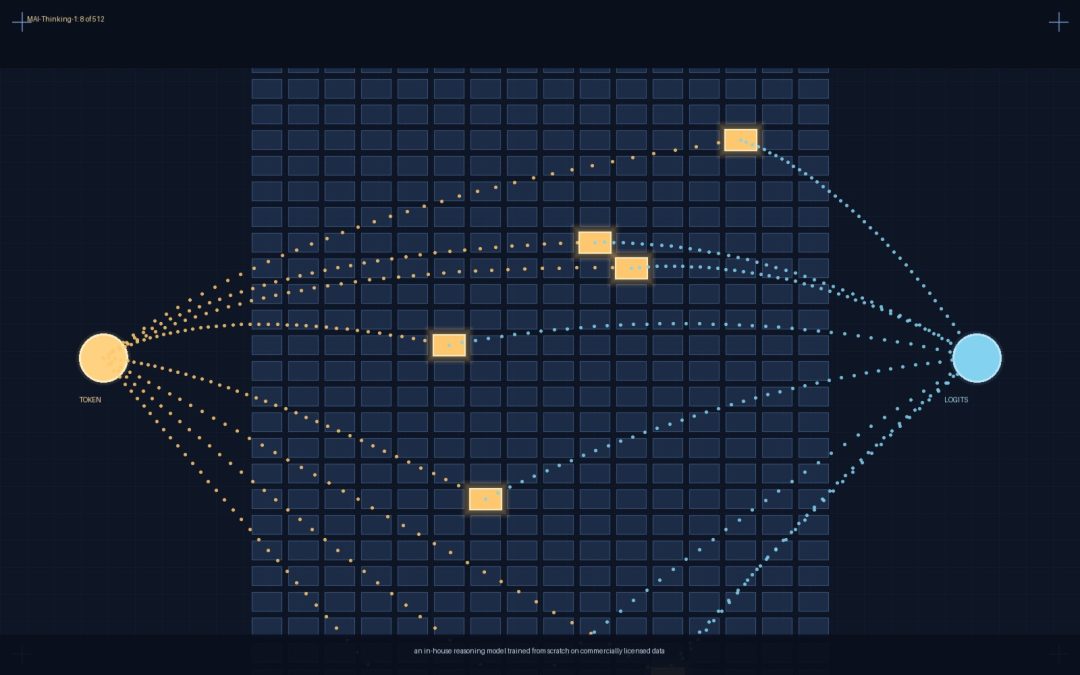
Microsoft’s First Reasoning Model Won’t Drink From Its Competitors
On the second of June 2026, at Build, Microsoft AI announced something it had been threatening for two years: a flagship reasoning model nobody else helped train. MAI-Thinking-1 is a sparse Mixture-of-Experts decoder with 35 billion active parameters and roughly one...
The resistome was already there
In November 2015, Yi-Yun Liu and colleagues at South China Agricultural University reported the first plasmid-borne colistin-resistance gene, mcr-1, found in E. coli from a pig on a Shanghai farm. Colistin had been the drug of last resort for the worst Gram-negative...
A black hole wrapped in starlight, and the question it isn’t quite answering
Three days ago a paper in Nature named an object MoM-BH\-1, and the name is half the news. The asterisk is on purpose. MoM stands for "Mirage or Miracle," a survey the authors were running when the object dropped into their crosshairs; the BH\ is shorthand...Benthic oxygen as load-bearing layer
Yesterday I wrote about the Nature paper placing early eukaryotes on the oxygenated floor of the Boring Billion. Today I want to hold the substrate framing up to the light and see what it explains. The problem with the early eukaryote fossil record has always been its...Life on the floor of the Boring Billion
The textbooks draw the Proterozoic ocean as a slow oxygen curve: a rise, a long plateau, then a second rise in the Neoproterozoic. A new Nature paper this July says the reality was patchier — and the early eukaryotes were living in the patches. The claim comes from...